


Building Executive Function Skills in Children: A Guide for Parents and Educators

Executive function skills shape how children manage their thoughts, emotions, and actions. These skills help kids plan, focus, remember instructions, control impulses, and complete tasks. When strong, children handle schoolwork, friendships, and daily routines with confidence. When underdeveloped, they may seem forgetful, impulsive, or overwhelmed. Understanding these skills is key to supporting children’s growth and success.
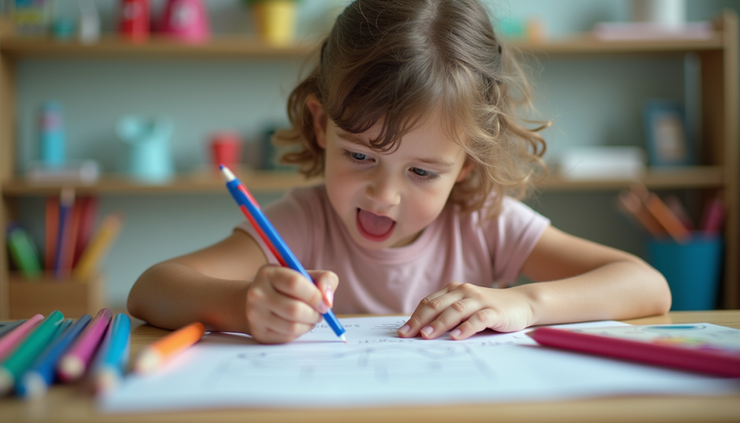
Image caption: A child practices organization by arranging school supplies, a key executive function skill.
What Are Executive Function Skills?
Executive function refers to a group of mental processes that help us control behavior and manage thoughts. These skills develop mainly in the brain’s prefrontal cortex and continue maturing into early adulthood. They allow children to plan, focus attention, remember instructions, regulate emotions, and manage multiple tasks.
The three core executive function skills are:
Working Memory
This is the ability to hold and work with information in the mind. For example, a child uses working memory when following multi-step directions, recalling what to write after hearing instructions, or doing mental math.
Cognitive Flexibility
This skill helps children shift their thinking, adapt to changes, and see different perspectives. It shows up when kids switch between activities, adjust plans, or solve problems when things don’t go as expected.
Inhibitory Control (Self-Control)
This is the ability to regulate impulses, emotions, and attention. It helps children wait their turn, raise their hand instead of blurting out, and manage frustration calmly.
From these core skills grow more complex abilities such as organization, time management, task initiation, emotional regulation, and goal-directed persistence. These skills support children not only in school but in all areas of life.
Signs a Child May Struggle with Executive Function
Children with weak executive function skills may show:
Forgetfulness or losing track of belongings
Difficulty following multi-step instructions
Trouble starting or completing tasks
Impulsivity or interrupting others
Difficulty managing emotions or frustration
Problems with organizing schoolwork or belongings
Struggles with time management and meeting deadlines
Recognizing these signs early allows parents and educators to provide the right support.
How to Build Executive Function Skills in Children
Helping children develop executive function skills takes patience and practice. Here are practical strategies parents and educators can use:
1. Support Working Memory
Break tasks into smaller steps and repeat instructions clearly.
Use visual aids like checklists or charts to help children remember tasks.
Play memory games such as matching cards or repeating sequences.
Encourage children to verbalize steps out loud when completing tasks.
2. Foster Cognitive Flexibility
Encourage children to try new activities or switch between tasks.
Use role-playing games to explore different perspectives.
Discuss changes in plans calmly and brainstorm alternative solutions together.
Praise efforts to adapt and problem-solve.
3. Strengthen Inhibitory Control
Practice waiting games like “Simon Says” or “Red Light, Green Light.”
Teach deep breathing or counting to ten to manage impulses and emotions.
Set clear rules and consistent consequences for behavior.
Model self-control by staying calm in challenging situations.
4. Build Organization and Time Management
Help children create daily schedules or planners.
Use timers to break work into manageable chunks with breaks.
Teach sorting and organizing techniques for school materials and personal items.
Set routines for homework, chores, and bedtime.
5. Encourage Task Initiation and Persistence
Provide clear starting points for tasks to reduce overwhelm.
Use positive reinforcement to celebrate effort and progress.
Break larger projects into smaller goals with rewards for completion.
Teach problem-solving skills to overcome obstacles.
6. Support Emotional Regulation
Help children label and express their emotions.
Teach coping strategies such as mindfulness or physical activity.
Create a calm space where children can regroup when upset.
Encourage open communication about feelings.
Practical Examples for Home and School
At Home: Create a morning checklist with pictures for younger children to follow independently. Use a timer to help with transitions between activities like homework and playtime.
At School: Teachers can provide written and verbal instructions, use graphic organizers, and allow extra time for assignments. Group work can encourage cognitive flexibility and social skills.
In Both Settings: Consistent routines and clear expectations help children feel secure and understand what comes next.
When to Seek Additional Support
If a child continues to struggle despite these strategies, consider consulting professionals such as school psychologists, occupational therapists, or educational specialists. They can assess executive function skills and recommend tailored interventions.
Building executive function skills is a gradual process that requires consistent support from adults. By understanding these skills and using practical strategies, parents and educators can help children develop the tools they need to succeed in school and life. Start with small steps today and watch children grow more confident, organized, and capable.
If you are in the Kansas City area and want personalized guidance, organizations like EduSolutionsKC offer resources and support to help children strengthen their executive function skills.


Comments